Data Analyst Career Path for Fresh Graduates — Complete Roadmap
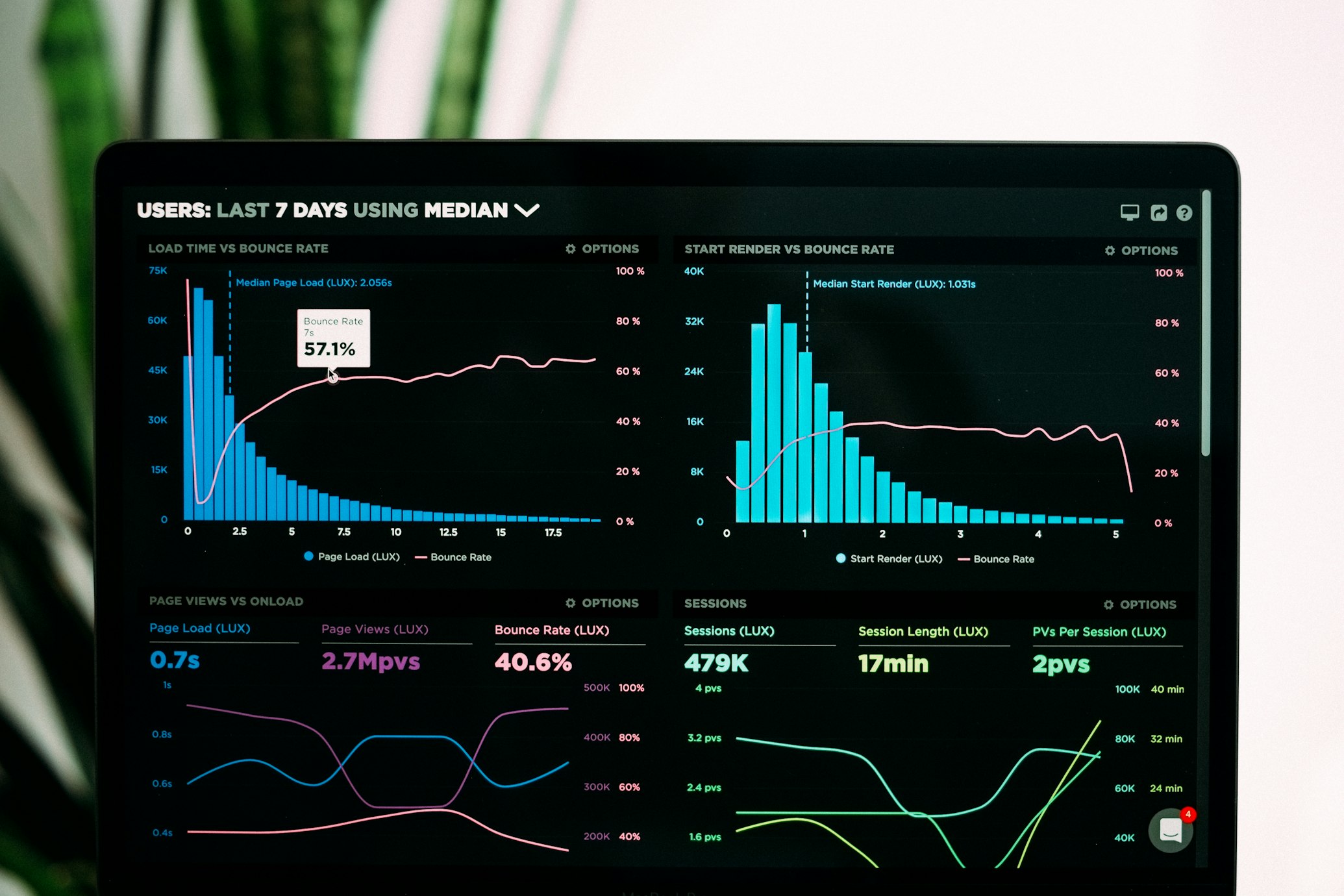
Data analytics is one of the fastest-growing and most in-demand career paths for fresh graduates today. As businesses across every industry rely increasingly on data to make decisions, the demand for skilled data analysts continues to outpace supply — creating excellent entry-level opportunities for graduates who build the right skills.
This guide covers the complete data analyst career path for fresh graduates — from the foundational skills and tools to learn, to how to build your portfolio, land your first role, and grow into senior positions over time.
What Does a Data Analyst Do?
A data analyst collects, cleans, analyzes, and visualizes data to help organizations make better decisions. Day-to-day responsibilities typically include:
- Writing SQL queries to extract data from databases.
- Cleaning messy datasets using Python or Excel to remove errors and inconsistencies.
- Building dashboards and reports in Power BI, Tableau, or Google Looker Studio.
- Identifying trends, patterns, and anomalies in data.
- Presenting findings to non-technical stakeholders in clear, visual formats.
- Collaborating with product, marketing, operations, and finance teams to define metrics and track KPIs.
Core Skills Every Data Analyst Fresher Must Have
1. SQL — The Most Important Skill
SQL is the primary language data analysts use to query databases. It is non-negotiable. Master:
- SELECT, WHERE, GROUP BY, HAVING, ORDER BY
- JOINS (INNER, LEFT, RIGHT, FULL OUTER)
- Subqueries and CTEs (Common Table Expressions)
- Window functions — ROW_NUMBER, RANK, LAG, LEAD
- Aggregation functions — COUNT, SUM, AVG, MAX, MIN
Practice on platforms like Mode SQL Tutorial, SQLZoo, LeetCode's database section, and HackerRank's SQL challenges.
2. Excel / Google Sheets
Even in a data-heavy world, Excel remains widely used for quick analysis and reporting. Learn:
- VLOOKUP, INDEX-MATCH, XLOOKUP
- Pivot Tables and Pivot Charts
- Conditional formatting and data validation
- Basic formulas — IF, COUNTIF, SUMIF, TEXT functions
3. Python for Data Analysis
Python is used for larger datasets, automation, and more complex analysis. Key libraries:
- Pandas: Data manipulation — reading, cleaning, merging, and aggregating datasets.
- NumPy: Numerical computing and array operations.
- Matplotlib and Seaborn: Data visualization and exploratory analysis.
- Jupyter Notebook: The standard environment for documenting and sharing analysis.
4. Data Visualization — Power BI or Tableau
Dashboards and visual reports are how analysts communicate insights. Learn either Power BI (more common in Indian enterprises) or Tableau (more popular globally). Start with Power BI — it is free, integrates with Microsoft products, and has strong industry demand.
5. Basic Statistics
Data analysis requires understanding what numbers mean. Focus on:
- Mean, median, mode, and standard deviation
- Distributions — normal, skewed, bimodal
- Correlation vs causation
- Basic probability and hypothesis testing
Step-by-Step Learning Roadmap (6 Months)
- Month 1: SQL fundamentals — complete SQLZoo and HackerRank SQL challenges (Basic and Intermediate).
- Month 2: Python + Pandas — follow Python for Everybody (Coursera) or CS50P; then practice Pandas with Kaggle datasets.
- Month 3: Data visualization — build 3 dashboards in Power BI or Tableau using public datasets.
- Month 4: Excel mastery and basic statistics — complete a statistics for data science course on Khan Academy or Coursera.
- Month 5: Build 2–3 end-to-end projects: data cleaning → analysis → visualization → insight summary.
- Month 6: Certifications, LinkedIn optimization, portfolio on GitHub, and active job applications.
Certifications to Boost Your Data Analyst Profile
- Google Data Analytics Certificate (Coursera) — 6 months, widely recognized, covers SQL, R, and Tableau.
- Microsoft Power BI Data Analyst Associate (PL-300) — industry-standard Power BI certification.
- HackerRank SQL (Basic and Intermediate) — free, verifiable, and widely recognized by Indian IT recruiters.
- IBM Data Analyst Professional Certificate (Coursera) — covers Python, SQL, Excel, and visualization.
- Kaggle Learn Certifications — free micro-courses in Python, Pandas, SQL, and data visualization.
Data Analyst Fresher Salary
- IT service companies (TCS, Infosys, Wipro): ₹4–6 LPA
- Consulting and analytics firms (EY, Deloitte, KPMG): ₹5–8 LPA
- Startups and D2C companies: ₹5–10 LPA depending on role depth
- Product companies (Swiggy, Razorpay, Zepto): ₹8–15 LPA for strong fresher candidates
Salaries grow quickly with experience. Analysts with 2–3 years of experience and strong SQL and Python skills can earn ₹12–20 LPA.
Data Analyst Career Progression
- Year 0–2: Junior Data Analyst — data cleaning, reporting, dashboards.
- Year 2–4: Data Analyst — independent analysis, stakeholder communication, complex queries.
- Year 4–6: Senior Data Analyst or Analytics Engineer — strategy input, automation, data pipeline management.
- Year 6+: Lead Analyst, Analytics Manager, or transition into Data Science / Data Engineering.
Common Mistakes Aspiring Data Analysts Make
- ✘Learning Python before mastering SQL — SQL is used far more frequently in analyst roles.
- ✘Building only tutorial projects without working with messy, real-world data.
- ✘Not developing data storytelling skills — analysis that can't be communicated is useless.
- ✘Ignoring domain knowledge — understanding the business context of data is crucial.
- ✘Applying only to 'Data Scientist' roles instead of 'Data Analyst' roles as a fresher.
FAQs — Data Analyst Career Path
Q1: Can I become a data analyst without a math or statistics background?
A: Yes. Basic statistics is learnable independently — you don't need an advanced math degree. Many successful data analysts come from business, humanities, or engineering backgrounds other than math.
Q2: Is data analyst a good career for long-term growth?
A: Absolutely. Data roles are in high demand across industries and the career path has clear progression — from analyst to senior analyst to analytics engineer, data scientist, or management tracks.
Q3: Should I learn R or Python for data analysis?
A: Python is the better choice for most freshers. It is more versatile, more widely used in Indian IT companies, and transfers well to data science if you choose to specialize later. R is primarily used in academic and statistical research settings.
About the Author
Karthik is a full-stack developer with 7 years of hands-on experience building products using React, Node.js, Python, and cloud platforms. He started as a fresher at Zoho, moved to a product startup in Chennai, and now leads a small engineering team. He writes detailed technical guides and roadmaps to help freshers understand modern tech stacks and what employers actually look for.